[web_stories title=”true” excerpt=”false” author=”true” date=”true” archive_link=”true” archive_link_label=”” circle_size=”150″ sharp_corners=”true” image_alignment=”left” number_of_columns=”1″ number_of_stories=”5″ order=”DESC” orderby=”post_title” view=”carousel” /]Feeding Guide for Rabbit and Guinea Pig
Discussed by: Dr. Ramiz Mondal, Veterinary Physician (MVSC. Animal Nutrition)
Rabbits are fluffy, puffy, and maybe even lucky. The rabbits are plant eaters, in other words, herbivores, and to raise them well, you have to feed them well. In this rabbit food guide, we’ll look at the best food for rabbits and share with you useful feeding tips also.
Rabbits and guinea pigs make amazing small pets, but it’s important to make sure you are giving them everything they need to live happy and healthy lives.
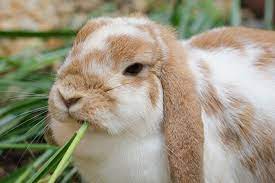
They are both obligatory herbivores, meaning that their diets are completely plant-based consisting of hay, vegetables, and fruits. Pellets are genuinely considered a dietary supplement and used as a treat rather than as the main source of your rabbit or guinea pig’s diet. Basically I am writing this article for our respected pet owners to find better food and feed management as well.
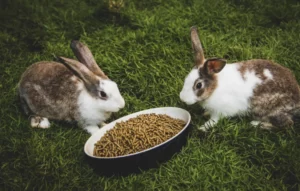
Hay is for a healthy Gut and Teeth
Hay should make up the majority of your pet’s diet as it is a critical source of fiber and roughage. Fiber is essential for good digestion, gut health and coarse fibers will help to wear down teeth and also help to keep them clean. Hay is also a good source of vitamins A and D, low protein and calcium so your rabbit and guinea pig have a long and healthy life. Grass hay is important for your small pet and you can grab a sample pack to help determine which hay your rabbit or guinea pig would love!
Grass hay should make up at least 80% of a rabbit’s diet and a guinea pig’s diet. One way to visualize this amount is that your small pet should be consuming almost the size of its body’s worth of fresh hay every single day.
- Their hay needs to be clean and kept dry to prevent any mould or mildew growth.
- Make sure you also store it correctly in a dark space so that it doesn’t go stale and lose any nutrients.
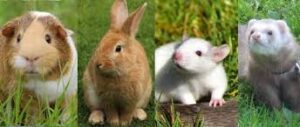
Vegetables are good additions
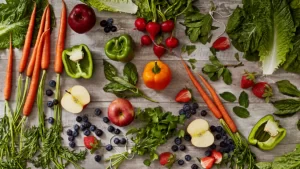
Many common and easy-to-find vegetables are favorites among both rabbits and guinea pigs. Veggies like carrots and bell peppers (with seeds removed) can be good choices. Leafy greens are also popular though it is always good to try several options to see which ones your furry friend prefers. Romaine lettuce, parsley, mint, and cilantro are some common choices that many small pets love.
Make sure that you’re not feeding your small pet any more than 2 cups of vegetables. Grass hay is the only food choice that can be fed free-choice (as much as they want to eat!).
Pellets need to be checked for ingredients
Many pellets and mixes on the market can be very high in protein, fat, and sugar. This can add weight gain along with contributing to other health issues. Make sure you choose pellets for your small pet that contain mostly hay and are not filled with other ingredients. Pellets should never be the main source of their diet, but they can be good treats for your small pet!
It’s always good to remember that grass hay is the most important food in your rabbit’s or guinea pig’s diet.
You shouldn’t feed more than 1-2 tablespoons of pellets a day to your small pet. You can give pellets in the morning before their hay as a great way to gauge how their health is doing. If they won’t eat the tasty and delicious pellet treats, then something could be wrong.
Water is the basis for life
Both rabbits and guinea pigs should have access to fresh, cool, clean water at all times. The water needs to be changed at least twice a day. If you let them outside, make sure you have water available for them to access there as well easily.
NEVER feed your Rabbit or Guinea Pig these
While there are many foods and extra treats to choose from for your small pet besides hay, there are always foods to avoid! Below are just some of the many foods you should avoid as they can make your rabbit or guinea pig very sick, and in some cases be extremely fatal.
- Iceberg lettuce
- Onions, garlic, leek
- Potatoes, sweet potatoes
- Rhubarb
- Tomatoes
- Corn
- Bird treats
- Cheese
- Chocolate
- Eggs
- Caffeine
- Cookies/bread
- Diary
- Processed sugars
- Processed or fried food
- Spices
- Any type of meat
Grass hay (not Alfalfa Hay) should make up at least 80% of your small pet’s diet!
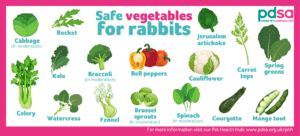
Safe Vegetable List for Rabbits & Guinea-pigs
In the wild, rabbits would be eating vegetables as they steal them from diligent gardeners and farmers! Thus, the inclusion of vegetables in the diet is a natural addition, however, the focus should always be on leafy greens/vegetables at around 80% with the other 20% being mostly tubers.
Foods that can be offered without restriction:
Leafy greens/vegetables:
- Chicory – The outer leaves have quite a high oxalic acid content so it is best to remove them before feeding.
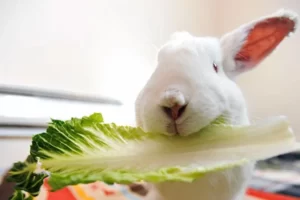
- Lettuce – All lettuce can be given without restriction (yes even iceberg!).
However, in small quantities (due to the high water content), nitrate containing foods are completely safe and most of the nitrate is found in the stalk anyway. The high water content is great for them, does not harm the digestive system and fresh water intake will naturally reduce as they are obtaining most of their water from their food.
- Lamb Lettuce – A classic winter leaf and lamb lettuce is well tolerated with good acceptance.
- Pak Choi – Rich in vitamins with good acceptance.
- Vegetable greens – Turnip, radish, beetroot, cauliflower & broccoli, parsnip, carrot, kohl rabi, corn leaves are all fine to feed with carrot greens having a lower calcium content than hay.
- Cabbage, kale, broccoli, rocket, cauliflower, Chinese cabbage, Romanesco, Brussel sprouts – These cruciferous veg can be fed without restriction only with a PELLET FREE DIET. It must be introduced slowly if they have not had it before.
- Celery – One of the more leafy vegetables, so good for winter use and for those with a sensitive digestive system.
- Radicchio – Good acceptance, remove outer leaves before feeding
Other vegetables:
- Fennel tubers – A good winter vegetable that is well tolerated with very good acceptance, fennel has many positive health benefits. Essential oils have a positive effect on mucous membranes, which helps with breathing in rabbits with respiratory infections.
- Turnips/swedes – Great for winter, rich in vitamins with good acceptance.
- Celeriac – Another good vegetable for winter with good acceptance and tolerance.
- Parsnips – Parsnips promote digestive health and have a very good acceptance and tolerance.
- Carrots – Carrots are another vegetable spurned due to the incorrect food myth that they are extremely high in sugar and should be fed in moderation. Carrots contain a balanced carbohydrate (sugar) content of fructose, sucrose and glucose meaning that they are a good source of energy, because they supply sugar over a longer time period.
When comparing carrots with other vegetables and herbs it is clear that they are not high in sugar at all. Dandelions contain between 7-9g of carbohydrates, dill contains 8.2g, oregano contains 8g, peppermint contains 5g and parsnips contain 11.3g. Whereas, the humble carrot comes in at only 5.2g. Carrots are therefore a safe daily feed that does not need to be rationed.
Caution advised:
Leafy greens/vegetables:
- Cabbage, cauliflower, broccoli, kale, rocket, Chinese cabbage, Romanesco, Brussel sprouts – Fed with a diet that includes pellets or kept in a small cage with no exercise, bloating can occur which can result in death (see above). Safe on a pellet-free diet with appropriate housing.
- Spinach – High oxalic acid content so should always be given in a mixture with other foods.
- Spring onion & Leek – These can very occasionally be offered in very small quantities and in a varied diet. They are anti-bacterial, anti-viral, prevent cancer, promote the immune system and digestion and lower blood pressure. In an ad libitum varied diet, they will be selected as needed in case of illness and are completely harmless in these small quantities. If you are unsure or cannot offer an ad libitum diet, do not feed.
- Chard – High in oxalic acid so should be served in a good mixture. Chard helps prevent disease, aids bowel movement and has good acceptance.
Other vegetables:
- Corn – High energy feed with good acceptance that is great for autumn and winter should not be fed daily due to its concentrated nature.
- Radish – Radish is quite spicy for rabbits and guinea-pigs and can irritate the respiratory tract so should only be offered in small quantities.
- Beetroot – High oxalic acid content means that it should be served with a good mix of other vegetables in smaller amounts and it can discolor the urine (which is harmless). Beetroot can help prevent cancer and is rich in vitamins and minerals.
- Asparagus – Acceptance is usually bad but if enjoyed it can be fed regularly as it supports cellular rejuvenation, stimulates the kidneys and metabolism along with liver and lung function.
- Sweet potato – Not a real potato, sweet potato can be fed as a healthy concentrate food for those that require a higher energy requirement (large breed, outdoors in autumn and winter, old, ill ). Can also be fed in smaller quantities for everyone else as it has anti-inflammatory properties.
Only partly suitable for small amounts:
Other vegetables:
- Green beans – Can be fed very occasionally in a very varied pellet free diet, in a good mix of other vegetables and only in a very small amount. Not an ideal food with bad acceptance.
- Mushrooms – Mushrooms are difficult to digest and have a bad acceptance . However, they may be fed in very small quantities occasionally, as they are mineral rich and contain vitamin D2.
- Chili – Chilis is very spicy and most likely will not be accepted. However, very mild varieties can be offered in very small quantities in a varied diet (so as to not force them to ingest). If enjoyed, chilies contain capsaicin, which has health benefits including cancer prevention, joint pain and obesity reduction. You may not be able to get mild enough chili in the supermarket but if you grow your own then you have more options.
- Pea pods/peas – Can be fed very occasionally on a very varied pellet-free diet, in a good mix of other vegetables and only in very small amounts. Not an ideal food with bad acceptance.
- Rhubarb – Although rhubarb has a high oxalic acid content it is not in fact poisonous in very small quantities within a good mix.
It is not recommended to feed any of the above foods in this section unless you are feeding an ad libitum diet. This means that they can choose to not eat the foods if they do not want to.
Natural Foods can be used as it contains some medicinal properties:
- Potatoes – Cooked potatoes can be fed to animals kept outside during the winter or for emergency weight gain. Not suitable for prolonged daily use as they are too over-processed. Bad acceptance.
- Garlic – A spicy food, garlic can be useful in small quantities for sick animals as it has health promoting properties. Best grated or mashed with other preferred veg due to bad acceptance.
- Ginger – Good for the immune system, joint problems, inflammation and respiratory infections. It is a spicy food, so it should only be given in very small amounts. Best grated together with apples, bananas, carrots and beetroot for an ill animal.
- Horseradish – Anti-inflammatory, offered in small quantities as above.
Common fresh food myths
Does wet food cause digestive problems?
Do wild animals not eat on rainy days? This myth came about due to picking fresh foods fermenting in the sun when wet and left in a tight space together.
Should a diet be made up of 80% hay, 20% fresh food? Should hay be eaten at all times?
In the wild 100% of the food is wild plants (fresh food). Digestion in domestic animals is still almost identical. In diets high in fresh food, hay intake will naturally be reduced as they choose healthier food.
Does fresh food lead to stomach overload and digestive issues?
This can only occur in a rationed diet where the animals get a small number of vegetables given in one or two meals a day and are left with only hay to eat in between. The animals will fall on the fresh food and eat as fast as they can which can cause stomach upset. An ad-libitum diet of fresh food available around the clock mimics nature where up to 30 meals a day are eaten. It is therefore very gentle on digestion as the eating rhythm is not disturbed.
If an animal does not drink, is there something wrong?
Fresh food is very rich in water, so it is normal in a diet with lots of fresh food for animals to drink less or even nothing at all.
This List is comprised of vegetables that you can get in the supermarket. If you have your own garden you can grow many more that aren’t commonly found in supermarkets. Feeding must not be one-sided, a good mix is needed to ensure that the correct amount of calories and nutrients are gained (at least 7 different varieties daily).